There is nothing quite as frustrating as settling in for a cozy evening in your North Texas home, only to find that your gas fireplace refuses to ignite. While gas fireplaces are generally reliable and low-maintenance, they are complex systems with several safety features that can prevent them from starting if something isn’t exactly right.
If you are staring at a cold hearth, here is a guide to understanding why your gas fireplace might be acting up and when it’s time to call in a professional.
Common Reasons Your Gas Fireplace Won’t Turn On
1. Pilot Light Issues
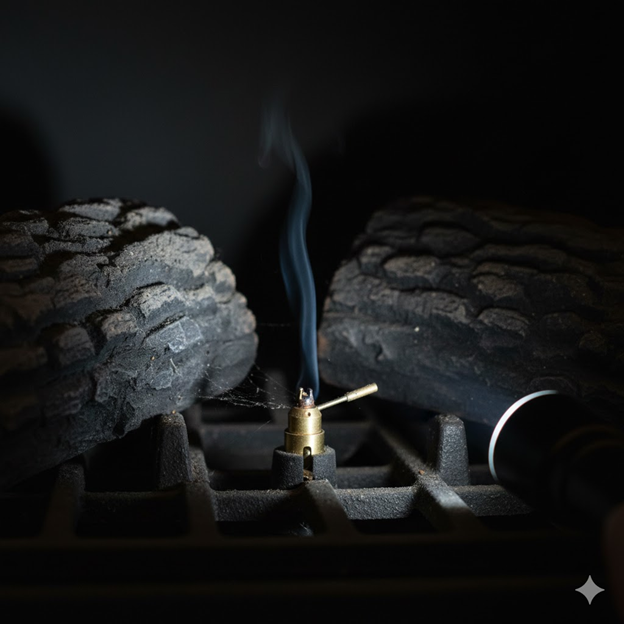
The most frequent culprit is the pilot light. Like a water heater, many gas fireplaces have a small, standing flame that must stay lit to ignite the main burner.
- The Cause: Drafts, dirt buildup on the pilot orifice, or a temporary interruption in gas service can extinguish the flame.
- The Fix: You can often find relighting instructions on a metal plate located under the fireplace. However, if the pilot won’t stay lit after several attempts, there may be a deeper mechanical issue.
2. Faulty Thermocouple or Thermopile
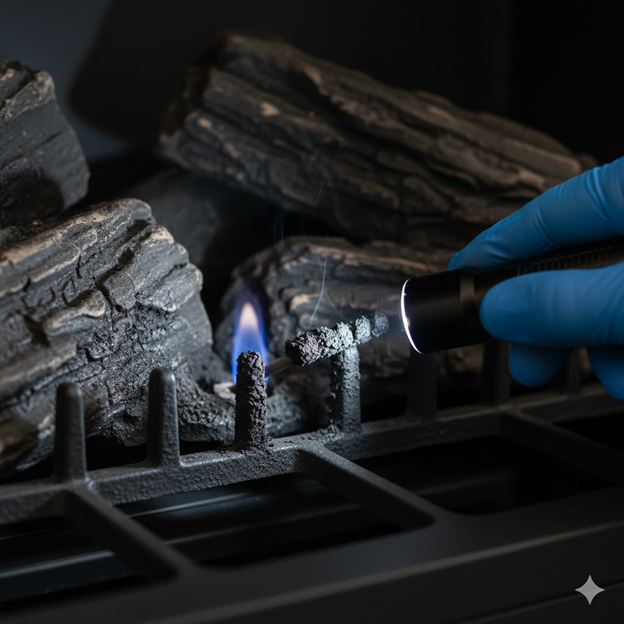
These are safety sensors located next to the pilot light. They detect heat from the flame and send an electrical signal to the gas valve to open.
- The Cause: Over time, these sensors can wear out or become “carbonized” (covered in soot), preventing them from sensing the flame.
- The Fix: If the pilot lights but the fireplace won’t kick over to the main burner, a technician likely needs to clean or replace these sensors.
3. Dead Batteries
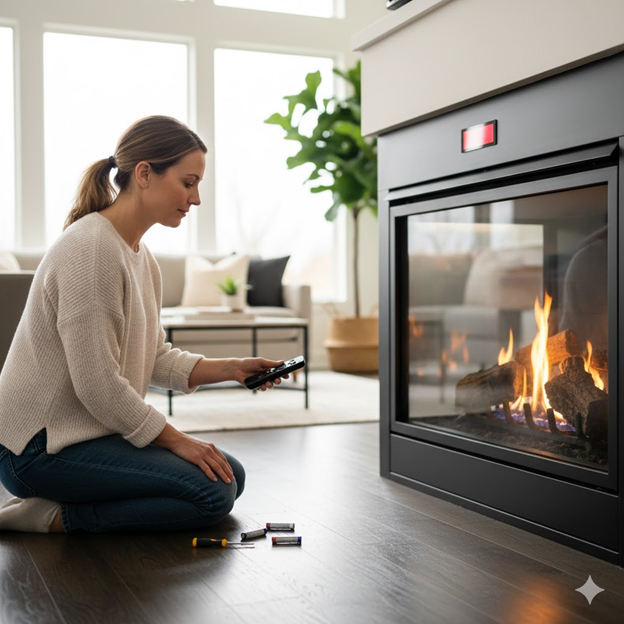
Many modern fireplaces use a remote control or a wall switch that relies on battery power. Even if your home has electricity, the ignition system often uses a battery backup.
- The Cause: Dead batteries in the remote transmitter or the receiver box (located behind the bottom louvers of the fireplace).
- The Fix: Replace the batteries in both the handheld remote and the receiver box. This is the “is it plugged in?” fix of the fireplace world.
4. Gas Valve or Module Failure
If the pilot is on and the batteries are fresh, but there is still no flame, the problem may lie within the gas valve itself or the electronic ignition module.
- The Cause: Electrical shorts, internal clogs, or component failure due to age.
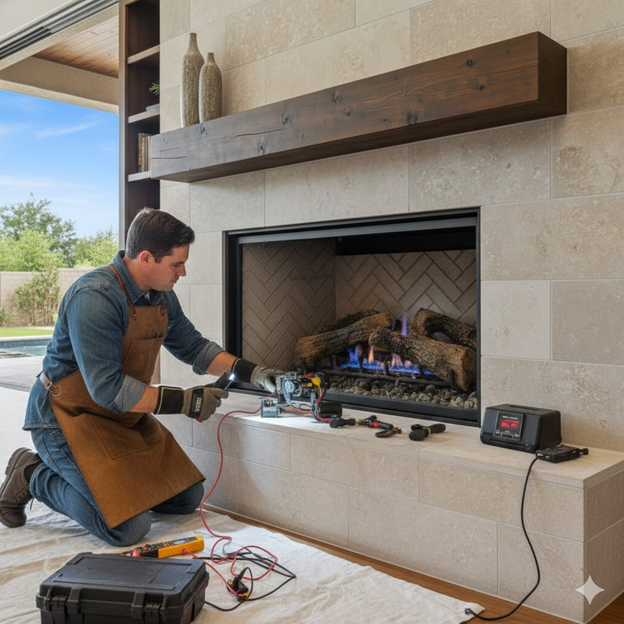
- The Fix: This requires specialized diagnostic tools to test millivolt outputs and gas pressure.
Why Professional Service is Essential
Working with gas appliances carries inherent risks. While checking batteries is a great DIY step, deeper troubleshooting involves gas lines and electrical components.
In the Dallas-Fort Worth area, homeowners deal with specific environmental factors—like spiders spinning webs in burner tubes during the off-season or dust accumulation during Texas windstorms—that can cause ignition failure.
Benefits of Professional Inspection:
- Safety First: Ensuring there are no gas leaks or carbon monoxide risks.
- Proper Cleaning: Removing “soot” and carbon buildup that causes sensors to fail.
- Component Longevity: A professional can spot a wearing part before it causes a total system shutdown in the middle of a cold snap.
Get Your Fireplace Ready for Winter
If you’ve tried the basics and your fireplace still won’t start, it’s best to contact a local expert who understands the specific brands and models common in North Texas homes.
For residents in the DFW metroplex, Fireworx Fireplace & Chimney provides comprehensive gas fireplace troubleshooting and repair. From cleaning oxygen depletion sensors to replacing faulty valves, professional intervention ensures your home stays warm and safe.
Don’t wait for the next Texas freeze—schedule a fireplace tune-up today.