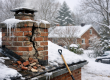
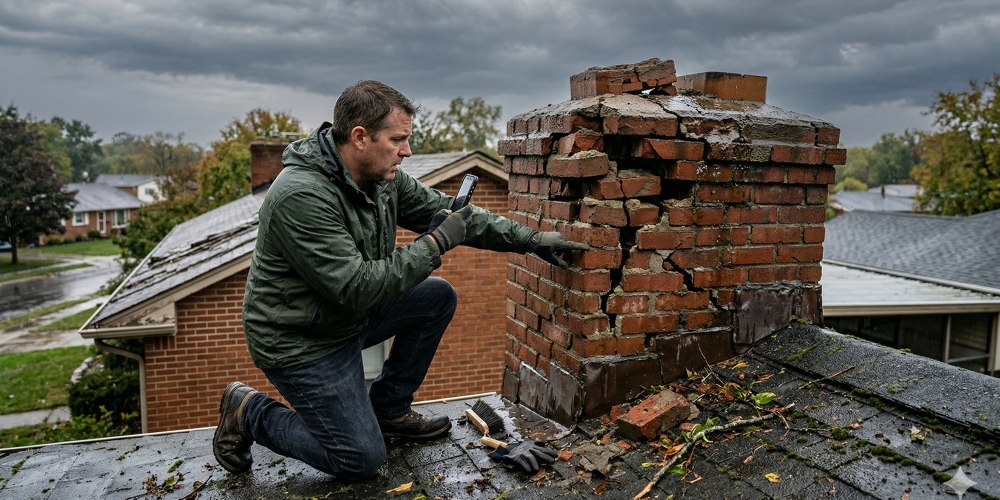
Chimney damage rarely happens all at once. In most cases, it begins with water—specifically from rain and storms—and worsens gradually over time. What starts as minor moisture exposure can eventually lead to cracks, leaks, and structural instability.
For homeowners in the Dallas–Fort Worth, TX area, where storms, humidity, and sudden weather shifts are common, understanding how water affects your chimney is key to preventing long-term damage.
What is chimney water damage?
Chimney water damage occurs when moisture enters masonry, metal, or internal components, weakening materials and causing gradual deterioration over time.
The real problem: why water is so damaging to chimneys
Unlike other parts of your home, chimneys are built from porous materials and sit fully exposed above the roofline. This combination makes them especially vulnerable to rain.
When water repeatedly enters and exits chimney materials:
- It weakens structural integrity
- It expands small cracks
- It accelerates material breakdown
- It spreads damage deeper into the system
Over time, even small amounts of water intrusion can lead to major repairs.
Where chimney damage usually begins
Water rarely enters in just one place. Instead, it finds the weakest points in the system.
Common entry points include:
- Cracked chimney crowns
- Missing or damaged chimney caps
- Worn flashing at the roofline
- Deteriorating mortar joints
- Unsealed brick surfaces
Once water gets in, it spreads quickly through the structure.
What happens after water gets inside a chimney
Once moisture enters the chimney, damage develops in stages:
Early Stage: Surface-Level Impact
- Light staining or discoloration
- Minor cracking in mortar joints
- Slight musty odors
Mid Stage: Material Breakdown
- Flaking or spalling bricks
- Widening cracks
- Rust forming on metal components
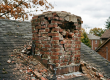
Advanced Stage: Structural Damage
- Loose or shifting bricks
- Interior leaks near the fireplace
- Chimney instability or leaning
This progression can happen faster than expected, especially in storm-prone areas.
Why storms in Dallas–Fort Worth accelerate chimney damage
North Texas weather creates ideal conditions for water-related chimney issues.
Contributing factors include:
- Heavy seasonal rainstorms
- Wind-driven rain entering small gaps
- Sudden temperature changes after storms
- High humidity that prevents materials from drying
These conditions cause chimneys to remain damp longer, increasing long-term damage risk.
How rain impacts different chimney components
Masonry (Brick & Mortar)
Water weakens mortar joints and causes bricks to crack or flake over time.
Chimney Crown
Cracks in the crown allow water to flow directly into the chimney structure.
Flashing
Damaged flashing lets water seep in where the chimney meets the roof.
Metal Components
Moisture leads to rust on dampers, fireboxes, and internal parts.
Chimney Liner
Water intrusion can damage the liner, affecting both safety and performance.
How to tell if your chimney has water damage
Homeowners often notice signs inside the home before seeing exterior damage.
Look for:
- Water stains near the fireplace
- Damp or musty smells
- Visible cracks in brick or mortar
- White residue on chimney exterior
- Rusted fireplace components
- Pieces of brick or mortar falling
These are indicators that water is already affecting the system.
Can chimney water damage fix itself?
No—chimney water damage will continue to worsen if left untreated.
Because water expands damage over time:
- Small cracks become larger
- More moisture enters the system
- Repairs become more complex and costly
Addressing issues early is the most effective way to prevent major damage.
How to protect your chimney from rain and storms
Prevention focuses on keeping water out and sealing vulnerable areas.
Key protection strategies:
- Install a properly fitted chimney cap
- Repair cracks in crowns and mortar quickly
- Apply waterproofing sealant to masonry
- Maintain flashing around the chimney base
- Schedule annual chimney inspections
These steps significantly reduce long-term exposure to water damage.
When should chimney damage from storms be inspected?
You should schedule an inspection:
- After heavy storms or prolonged rain
- If you notice leaks or stains
- At least once per year as preventative maintenance
Regular inspections help catch damage early before it spreads.
Professional chimney services in Dallas–Fort Worth, TX
Because water damage can affect multiple parts of the chimney at once, a full-system evaluation is essential.
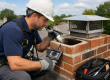
At Fireworx Fireplace & Chimney, technicians identify where water is entering and provide targeted repair solutions to protect the chimney long-term.
Our fireplace and chimney services include:
- Chimney inspections
- Masonry repair and tuckpointing
- Chimney waterproofing
- Crown and flashing repair
- Full chimney restoration
Fireworx serves homeowners across Dallas, Fort Worth, Plano, McKinney, Denton, Frisco, and surrounding DFW communities.
Prepare Your Chimney for the Next Storm Season
Chimney water damage doesn’t just affect appearance—it impacts the safety and structure of your home over time. The longer it goes unchecked, the more extensive the repairs become.
Fireworx Fireplace & Chimney helps homeowners across Dallas–Fort Worth identify and fix water damage early—schedule an inspection today and protect your chimney from ongoing storm-related damage.